What do I need to know before buying a gas fire pit?
Start with your fuel source and the space available for your fire pit. From there, the burner and pan can be selected to fit the available dimensions, followed by the appropriate ignition system and fire media. For a custom fire pit, getting these components coordinated before construction can help avoid costly changes later.
What fuel type is best for my fire pit?
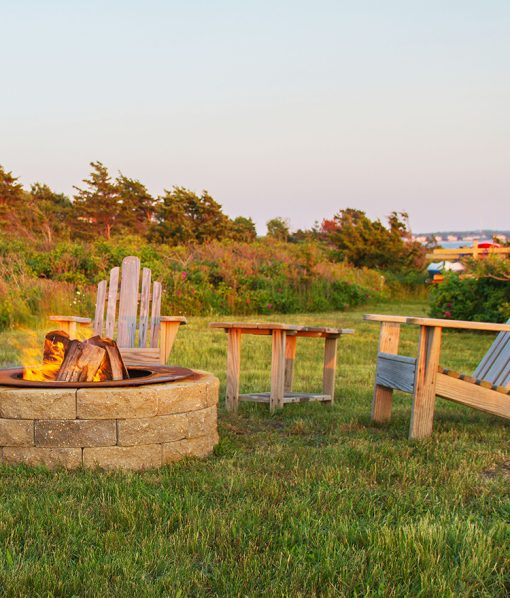
Gas or wood depends on how you want to use your fire pit. Gas offers instant, controllable heat with no smoke or ash, while wood provides the traditional crackle, flame, and campfire experience. If choosing gas, we can help determine whether natural gas or propane is the better fit for your property.
Can I install a fire pit myself?
Portable fire pits and fire tables are typically ready to set up. Build-your-own fire pit kits allow homeowners or masonry professionals to construct a custom fire pit. Gas connections and electrical components should be installed by a qualified professional in accordance with manufacturer requirements and local codes.
What's the difference between a Ready-to-Finish fire pit and a finished fire pit?
A Ready-to-Finish fire pit gives you the flexibility to build your own enclosure and choose the fire pit shape, burner, pan, ignition, and fire media.
A finished fire pit arrives largely complete and is designed for straightforward installation.
Where can I install a fire pit?
Fire pits are commonly installed on patios, pool decks, terraces, and other outdoor living spaces. The appropriate location and surface depend on the type of fire pit, fuel source, and manufacturer requirements. Always follow required clearances and local codes, particularly for wood-burning fire pits and installations near combustible surfaces or structures.
Not sure what works for your space? Ask a Stonewood specialist—we can help you find the right fire pit for your application.
Should I cover my fire pit when not in use?
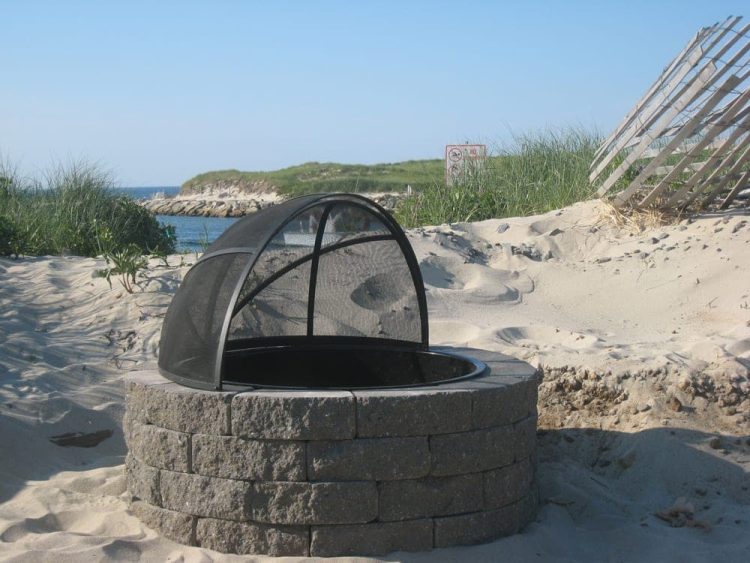
Yes! Cover your unit with a weather-resistant lid or fabric cover once the unit cools. This helps prevent rust and water accumulation.